Date: March 20-24, 2025
Theme: Honoring our Past and Moving Forward: Decolonizing Nursing Knowledge
This year’s conference theme, Honoring Our Past and Moving Forward: Decolonizing Nursing Knowledge, reflects our commitment to embracing our history while forging a path toward a progressive and inclusive future in nursing. The inspiration of the conference theme is based on Iheduru-Anderson and Waite’s paper published in 2024 (free to download through Feburary-March 2025) – Please download and read in advance!
Iheduru-Anderson, Kechi, & Waite, Roberta. (2024). Decolonizing nursing education: Reflecting on Paulo Freire’s pedagogy of the oppressed. Nursing Outlook, 72(4). https://doi.org/10.1016/j.outlook.2024.102183 (free to download Feb-Mar 2025)
The program outline will follow the traditions of the past few years – plenary sessions on Thursday, Saturday and Monday, along with 30-minute “knowledge sessions” based on your abstracts! Each day will end with open “daily dialogues” among all participants! Make plans now to attend! (Note: timelines may change slightly, but the dates are set!). A simple overview of the program is available at Program Detail
Thursday, March 20, 2025
- 9:30 am EDT Zoom opens
- 10 am – 11:45 am EDT – Opening Plenary – Decolonizing Nursing Education: Embracing Freire’s Pedagogy for an Inclusive Future – Lucinda Canty, Moderator. Panelists: Kechi Iheduru-Anderson and Roberta Waite, co-authors of the conference featured article that sets the stage for our conference theme. The panelist request that all participants read this article in advance to gain the most from the session!
In this session we explore the critical application of Paulo Freire’s “Pedagogy of the Oppressed” to decolonize nursing education. Drawing from Iheduru-Anderson and Waite’s (2024) work, we will examine how Freire’s principles can transform nursing education, challenge oppressive structures, and foster inclusive learning environments. The presentation will highlight strategies for dismantling colonial legacies in nursing knowledge, empowering diverse voices, and cultivating critical consciousness among educators and students. By reimagining nursing education through Freire’s lens, we aim to inspire a more equitable, culturally responsive, and socially just approach to nursing theory and practice.
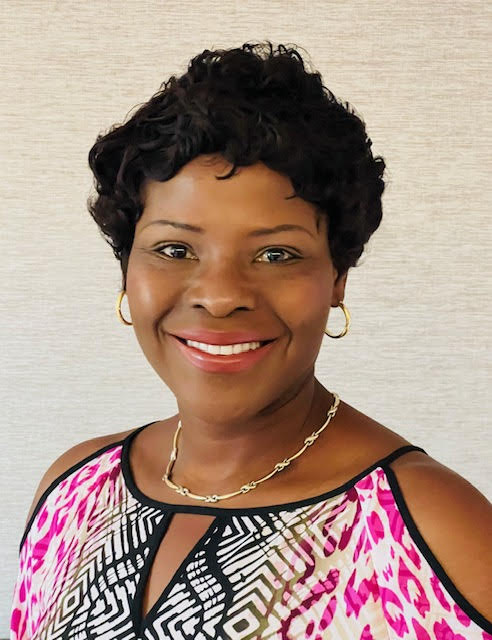
Kechi Iheduru-Anderson, EdD, DNP, RN, CNE, CWCN
Dr. Kechi Iheduru-Anderson is a Professor and the Inaugural Nursing Program Director at Central Michigan University’s College of Health Professions in Mount Pleasant, Michigan. She holds a doctoral degree in higher education leadership from CMU and a degree in nursing education from Regis College in Weston, Massachusetts. An Inaugural Fellow of the Academy of Diversity Leaders in Nursing (ADLN) and a Fellow of the Association of Black Nurse Faculty (ABNF) Leadership and Public Policy Mentoring Fellowship. Her research promotes racial justice, fairness, and access through antiracism in nursing practice, leadership, and education. Dr. Iheduru-Anderson has received several awards and recognition for her research, including the Sigma Nursing 2024 International Nurse Researcher Hall of Fame Inductee and the Nightingale Award for excellence in nursing research. Her research has significantly impacted the nursing profession’s anti-racism and equity discourse.

Roberta Waite, EdD, RN, PMHCNS, ANEF, FADLN, FAAN is a nationally recognized nursing thought leader whose expertise is at the nexus of health equity, social justice, anti-Black racism, mental health, and community-centered work. As the inaugural Dean of the relaunched School of Nursing at Georgetown University, she works with internal and external stakeholders to establish a world-class academic destination for advancing excellence in nursing education, research, scholarship, and transformative engagement with communities. She is responsible for academic and operational leadership of the school, which is composed of prelicensure, master’s, and doctoral nursing programs. Waite’s expertise is amplified in her roles as Board Director for Family Process Institute, Independence Blue Cross Foundation, Georgetown MedStar Hospital, and Advancing Health Equity’s National Advisory Board supported by the RWJF. As an inaugural Macy Faculty Scholar, her educational research focused on leadership development of nursing and health professions students using a social justice lens.
Lucinda Canty, PhD, CNM, FACNM, FAAN, FADLN (She/her) Dr. Lucinda Canty is a certified nurse-midwife, Associate Professor of Nursing, and Director of the Seedworks Health Equity in Nursing Program at the University of Massachusetts Amherst. She founded Lucinda’s House, a Black Maternal Health Collective, to promote maternal health equity through community engagement, advocacy, and research. She earned a bachelor’s degree in nursing from Columbia University, a master’s degree from Yale University, specializing in nurse-midwifery, and a PhD from the University of Connecticut. She is an artist, poet, and historian. Her research interests include addressing maternal mortality and severe maternal morbidity, maternal health equity, and historical research in nursing and midwifery. She is a fellow in the American Academy of Nursing, American College of Nurse-Midwives, and the National Black Nurses Association’s Academy of Diversity Leaders in Nursing. Dr. Canty is a contributing editor for the Journal of Midwifery and Women’s Health’s Ask the Midwife Column.
- 12:15 pm – 4 pm EDT – 30-minutes knowledge sessions
- 4 pm – 5 pm EDT – Daily Dialogue
Friday, March 21, 2025
- 9:30 am EDT Zoom opens
- 10 am – 4 pm EDT – 30-minutes knowledge sessions with appropriate breaks!
- 4 pm – 5 pm EDT – Daily Dialogue
Saturday, March 22, 2025
- 9:30 am EDT Zoom opens
- 10 am – 12pm EDT – Student/Early Career Scholars Panel – “Using the Purnell Model for Cultural Competence as a Guide for Practice and Research“
Grounded in the framework of the Purnell Model for Cultural Competence, the focus of this plenary group will be the illustrating the model as a theoretical foundation for practice and research. The importance of cultural competence through clinical application of specific minority groups will be discussed.
Panelists: Suzy Walter, Heather Carter-Templeton, Emelia Botchway, Emmerita Morris, Robin Elkins – West Virginia University
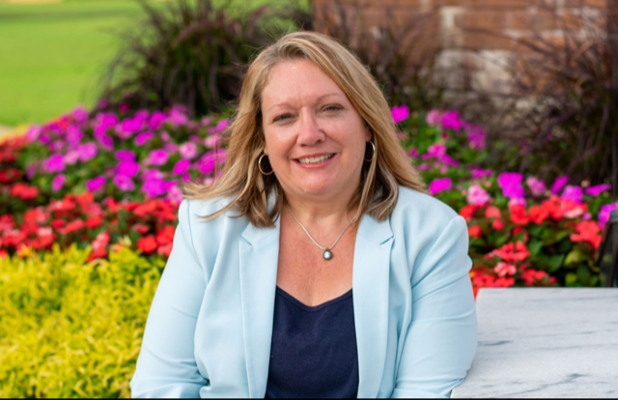
Dr. Heather Carter-Templeton is an Associate Professor also serving as the Adult Health Department Chairperson and the Director of Evaluation at the WVU School of Nursing in Morgantown, WV. She has published and presented nationally and internationally regarding her research interest areas, specifically addressing informatics, information literacy, and evidence-based practice. As a nurse researcher and educator, she has worked to inform, educate, and support nurses at the student, practice, and academic levels with regard to information literacy needs and skills as well as the importance of using credible scientific evidence within our discipline. Furthermore, she has assisted in using informatics and technology tools to support and disseminate nursing research. She is currently conducting research in the areas of information literacy and healthcare information technology. Heather is involved in several professional organizations and serves as the Deputy Editor of CIN: Computers, Informatics, Nursing journal. In addition, she is ANCC board certified in nursing informatics and a Fellow of the American Academy of Nursing.
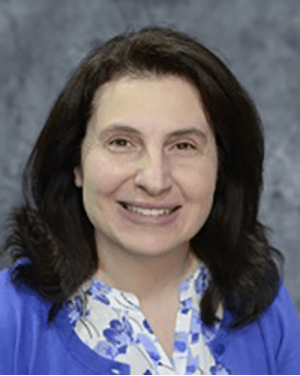
Dr. Suzy Mascaro Walter is an Associate Professor and Chairperson of the Family and Community Health Department at the West Virginia University (WVU) School of Nursing in Morgantown, West Virginia. Dr. Mascaro Walter teaches at both the master’s and Doctor of Philosophy (PhD) levels in the School of Nursing including courses addressing theoretical foundations of nursing, theory of practice, and middle range theory. Dr. Mascaro Walter has published and presented nationally and internationally in areas related to her teaching including publications grounded in nursing theoretical frameworks and concept building. She is also a Family Nurse Practitioner in the Pediatric and Adolescent Group Practice for WVU Medicine Department of Neurology. She has over 20 years of experience caring for children with neurological disorders with a focus on pediatric and adolescent headache. Dr. Mascaro Walter has published and presented nationally and internationally in her area of specialty practice including rural pediatric migraine. She is ANCC board certified as a Family Nurse Practitioner, ABNN board certified as a Certified Neuroscience Registered Nurse (CNRN) and holds a Post-master’s Certificate in Advanced Headache Diagnosis and Management through Thomas Jefferson University.
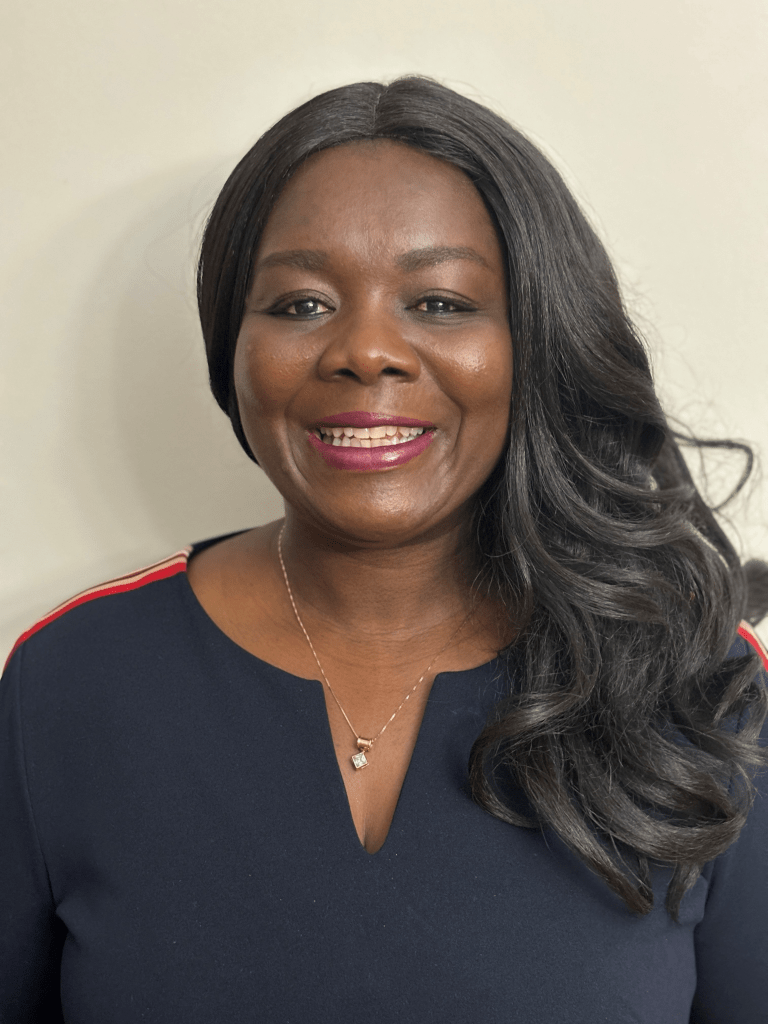
Ms. Emelia Twum Botchway is a fourth-year Doctor of Philosophy (PhD) student at West Virginia University in Morgantown, West Virginia. She earned her Bachelor of Science in Nursing (BSN) and Master of Science in Nursing (MSN) from Lehman College located in Bronx, New York. Her diverse nursing background spans across advanced clinical practice, operational leadership, and policy development. She currently serves as a Nurse Practitioner in population and renal health at the Bronx Care Health System in New York. Her practice also involves quality improvement with outcomes that enhance quality of life and strengthen patient-provider relationships through the recognition of the human right to receive healthcare and preserve dignity. She is a member of the Eastern Nursing Research Society and Sigma Theta Tau. Ms. Botchway was born in Ghana, West Africa and immigrated to the U.S. in 2001. Her passion and research focus are on palliative/end-of-life (EOL) healthcare decision-making experiences of African immigrants with chronic illnesses, specifically end-stage renal disease (ESRD), and their American-born adult children caring for them. The intersectionality of chronic disease, immigration/acculturation, and intergenerational differences predispose this population to poor health outcomes. Her goal is to use qualitative research design methods as an informed approach to gain new knowledge about this phenomenon and to promote equitable quality care outcomes for this vulnerable population. Her long-term goals include using research findings to inform current policies, empower stakeholders, and contribute to research regarding this population and other ethnic/racial groups that may benefit.

Ms. Emmerita A. Morris earned her Bachelor of Science in Nursing (BSN) from Coppin State University in Baltimore, Maryland in 2006 and her Master of Science in Nursing from West Virginia University in Morgantown, West Virginia, in 2009. She is currently a 3rd year Doctor of Philosophy (PhD) student at West Virginia University. She is a member of the Graduate Student Nurses Association, National Association of Nurse Practitioners in Women’s Health, North American Menopause Society and the American Association of Colleges of Nursing. Ms. Morris is originally from Abuja, Nigeria, and moved to the U.S. in 2001. Ms. Morris is dedicated to optimizing health outcomes for women experiencing menopause. She works as a Nurse Practitioner at Capital Women’s Care in Westminster, Maryland, focusing on obstetric and gynecologic care. Her passion for women’s health and improving healthcare access for underserved minorities motivated her to pursue a PhD in nursing. Her research interest involves the relationship between social determinants of health and menopause symptoms. She believes culturally competent care is essential for the recognition of cultural variations, assessment of individual preferences, and development of tailored treatments for women in menopause. Ms. Morris hopes to teach future healthcare providers about the necessity of culturally competent care to improve patient-provider communication, patient adherence to management plans, and promotion of equitable health outcomes. As a nurse researcher, she hopes to use her research findings to expand our understanding of the impact of culture on menopause outcomes and inform policies that provide equitable healthcare delivery for women in menopause.

Ms. Robin Elkins earned her Bachelor of Science in Nursing (BSN) from Alderson-Broaddus College in Philippi, West Virginia in 2002 and her Master of Science in Nursing from Wheeling Jesuit University in Wheeling, West Virginia in 2012. In 2021, she obtained a Master of Nursing Education Specialist degree from Wheeling University in Wheeling, West Virginia. She is currently a second-year Doctor of Philosophy (PhD) student at West Virginia University in Morgantown, West Virginia. She was awarded the Jonas Scholar for the 2024-2026 cohort. She is a member of Sigma Theta Tau National Honor Society of Nursing, The Southern Nursing Research Society, and the American Association of Colleges of Nursing. Ms. Elkins is from the small rural Appalachian town of Flemington, West Virginia. Ms. Elkins is dedicated to improving the lives of individuals facing obesity through her work in medical weight management at West Virginia University Medicine. Her professional practice addresses health disparities and advocates for culturally competent care, particularly for underserved populations. She is passionate about reducing the stigma associated with obesity medicine and understanding the complex life factors that affect weight management. Inspired by the experiences of loved ones affected by obesity, she has strived to implement strategies that promote inclusivity and equity in healthcare. Her goal is to ensure that patients receive personalized care that respects their unique needs and cultural contexts while amplifying the voices of those who need advocacy the most. Her approach combines clinical expertise with a compassionate understanding of the social determinants of health, acknowledging that these factors can vary based on cultural background. She is committed to empowering healthcare providers to address the distinct experiences of individuals struggling with obesity, improving health outcomes, and advancing equity in nursing practice.
- 12 pm – 4 pm EDT – 30-minutes knowledge sessions with appropriate breaks!
- 4 pm – 5 pm EDT – Daily Dialogue
Sunday, March 23, 2025
- 9:30 am EDT Zoom opens
- 10:00 am EDT – Posters
- 1 pm – 4 pm EDT – 30-minutes knowledge sessions with appropriate breaks!
- 4 pm – 5 pm EDT – Daily Dialogue
Monday, March 24, 2025
- 9:30 am EDT Zoom opens
- 10 am – 3 pm EDT – 30-minutes knowledge sessions with appropriate breaks!
- 3 pm- 5 pm EDT – Closing Panel – “The path forward for a Nursology that heals, transforms and liberates“
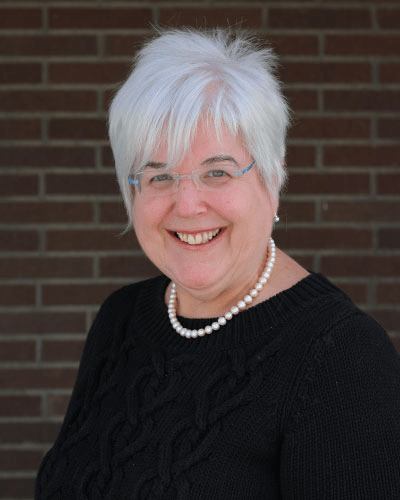
This presentation will discuss new directions for the development of nursing knowledge and inspire action for the future. The panelists will share their perspectives on the future of nursing knowledge development that derives from their unique life experiences, and will discuss their visions for changes that are required to engage their unique visions in shaping the path forward.
Christina Nyirati, Facilitator. Panelists: Daniel Suárez-Baquero and Jitana Benton-Lee
Daniel Suárez-Baquero
Reclaiming silenced knowledge and honoring ancestral wisdom is not
just an act of justice but the path forward for a Nursology that heals,
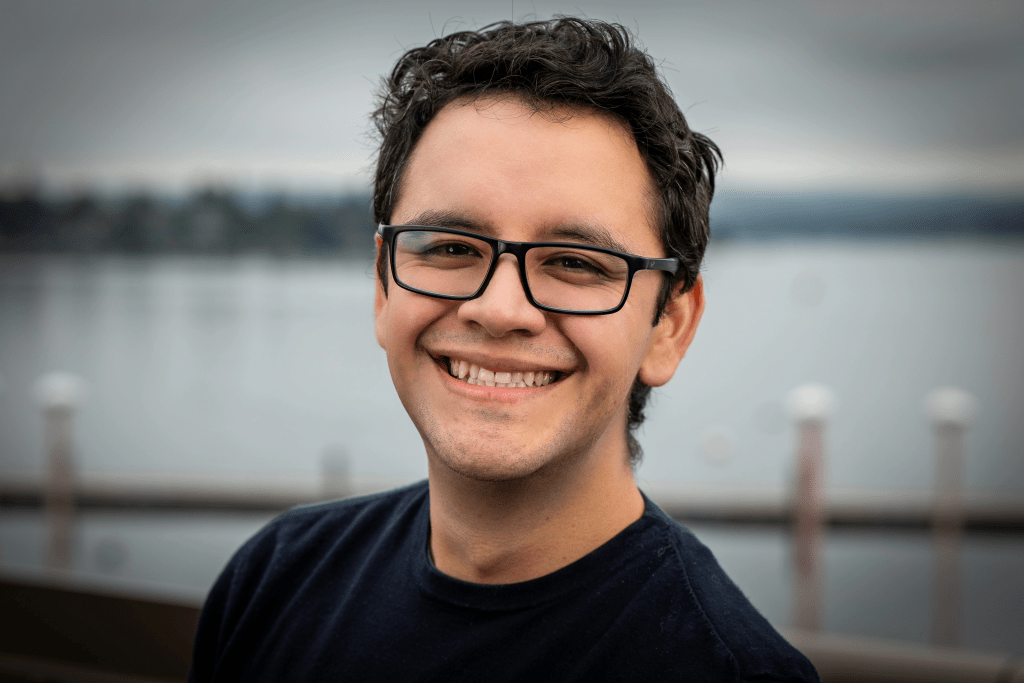
transforms, and liberates. I am originally from Colombia, where I earned my MSN and BSN from the Universidad Nacional de Colombia, focusing on Maternal and Perinatal Nursing Care. My expertise includes roles as a labor and birth nurse, nurse midwife, and nurse administrator. I obtained my Ph.D. in Nursing from The University of Texas at Austin, where I studied Colombian Partería Tradicional (lay midwifery). I completed a postdoctoral fellowship in the ACTIONS program at The University of California, San Francisco, with a focus on reproductive justice as the primary approach to reproductive health services provision. Since my undergraduate studies, I have developed a deep passion for qualitative research methods, particularly in the areas of reproductive justice, Latine reproductive health experiences, and community/cultural memory of ethnic minoritized women. I utilize advanced qualitative methods to elevate the voices of minoritized communities that have been overlooked, aiming to promote health, birth equity, and reproductive justice globally.”
Jitana Benton-Lee
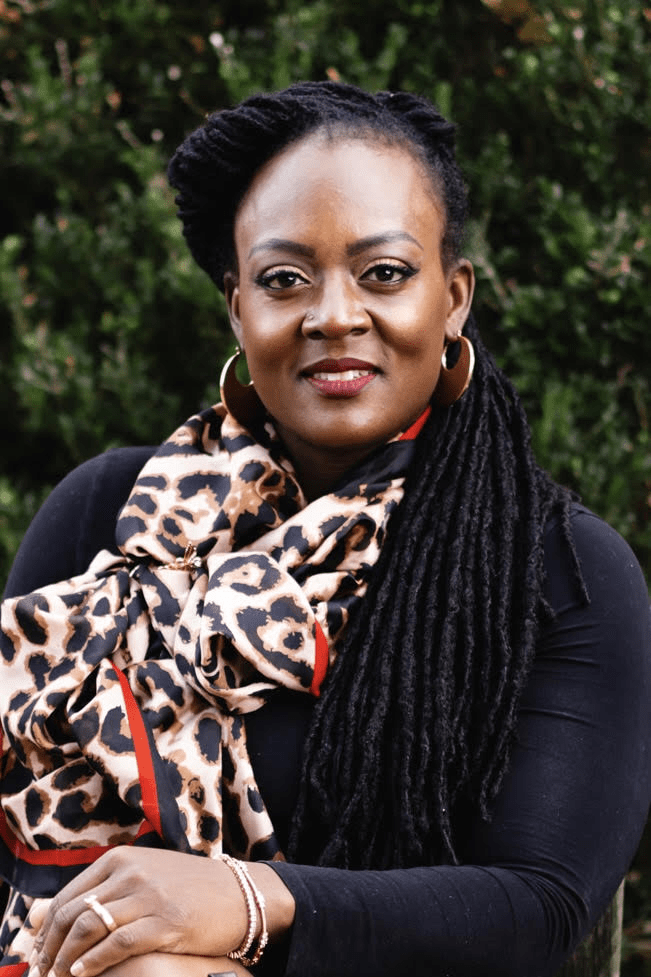
I am a passionate advocate for health equity, focusing on improved access to healthcare and education for rural African Americans and the deaf and hearing-impaired communities. I use my nursing expertise to advance healthcare equity and inclusive environments. I serve as CEO and Founder of Cultured Remedy, LLC, championing patient advocacy and diversity in healthcare. Additionally, I am an Associate Professor of Graduate Nursing at Northern Kentucky University, and adjunct faculty at Kentucky State University. I teach leadership, epidemiology, vulnerable populations, and health equity/inclusion to doctoral nursing students.
My work has been recognized by the Robert Wood Johnson Foundation, CommonHealth Action, and the National Collaborative for Health Equity, which awarded me $95,000 to build a culture of health in Kentucky. I have the honor of earning numerous other awards and fellowships, including the 2019 Emerging Leader Award from the Kentucky Organization of Nurse Leaders, I am a Qualified Administrator of the Intercultural Development Inventory, Nurse Executive Advance-Board Certified, Certified Nurse Educator, and Apple Certified Educator. In 2024 I was appointed by Sigma Global Initiatives to the post of Sigma liaison to the United Nations.
I obtained my D.N.P. from Northern Kentucky University and I am completing my Ph.D. dissertation in Nursing at Texas Woman’s University. I am contributing to nursing theory through my dissertation work to study nurse-patient relational dynamics.
I am dedicated to advancing health equity and inclusive environments, and invite others to join me in this critical mission.
Jesús Tonatiuh Grajales Vega
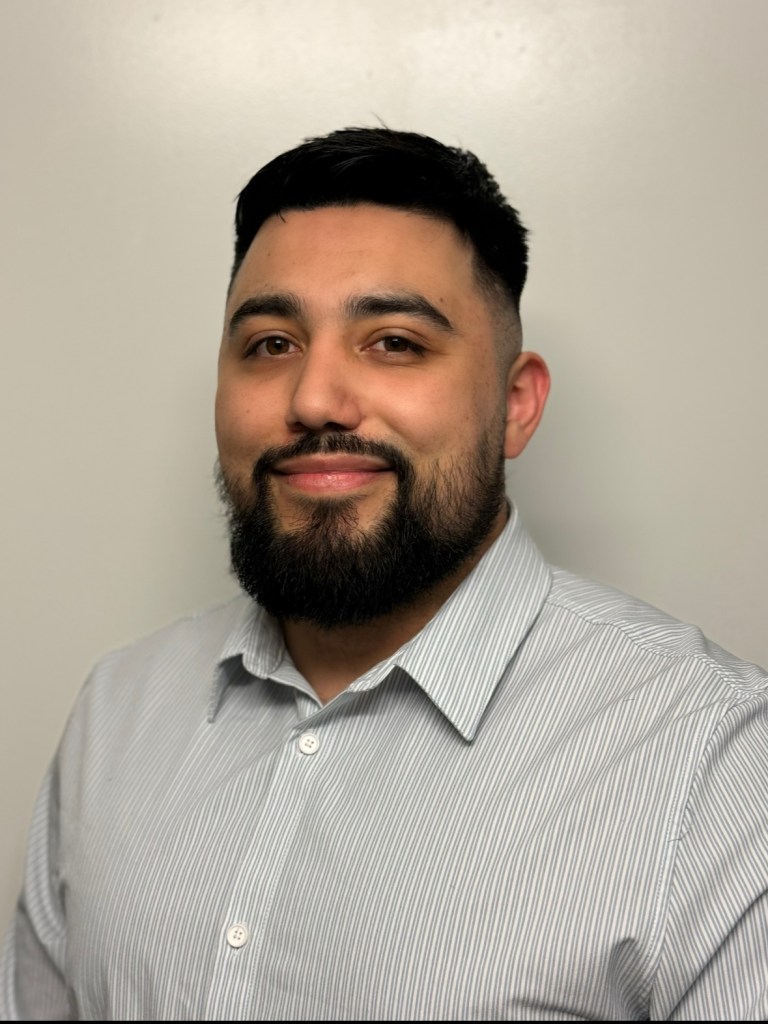
My name is Jesús Tonatiuh Grajales Vega, and my nursing knowledge journey began in Zacatepec, Morelos, Mexico. At the age of three, my family immigrated to the United States, settling in Yakima, Washington, where my parents worked tirelessly in agriculture to build a better future.
At 15, I applied for Deferred Action for Childhood Arrivals (DACA), a life-changing opportunity that allowed me to work and study as an undocumented student. With determination and the support of my community, I earned a full-ride ActSix scholarship to Heritage University, a Hispanic- and Indigenous-serving institution. There, I was accepted into the B.S.N. program, where I studied the fundamental patterns of nursing—ethics, empirics, aesthetics, personal knowing, and emancipatory knowledge—graduating in May 2021. Guided by these principles, I pursued my dream of becoming a pediatric registered nurse at Seattle Children’s Hospital. During my residency, inspired to action by our collective nursing emancipatory knowing, I conducted research that highlighted the widespread issue of workplace incivility among new nurses, fueling my passion for advocacy. I led committees addressing microaggressions and racism in healthcare and represented the nursing workforce on the Health Equity and Anti-Racism (HEAR) initiative, championing policies that promote equity and belonging.
Realizing the transformative potential of education in dismantling systemic racism, I returned to Heritage University as a clinical adjunct faculty member. In this role, I am privileged to teach and inspire the next generation of nurses, empowering them to use nursing knowledge to lead with compassion and champion equity in healthcare.
From a small town in Mexico to the frontlines of nursing and education, my journey is a testament to resilience, the power of opportunity, and the belief that meaningful change begins with action.
The future of Nursology belongs to those of us who will de-colonize ways of knowing and being in nursing. We know there is not one single source of nursing knowledge, not one single way to discover our knowledge, and not one single, linear development of knowledge. We will challenge the dominance of linear, hierarchical systems. We will create the space for diverse knowledge systems from all over the world, where each is valued and considered equally. We will foster a sense of inclusion and shared understanding across our different communities. I am an early nursologist, and I am determined. Be thoughtful with me on my journey.
 VNTW: Annual Nursing Theory Conference